Steel vs Aluminium Roofing: Strength, Weight and Value
Selecting the right metal roofing material is one of the most critical decisions for homeowners across Canberra and the wider Australian Capital Territory. With the region experiencing sharp winter frosts, intense summer heatwaves, and periodic severe storms, your roof must deliver uncompromising structural performance. Steel and aluminium stand out as two premier metal roofing options on the market in 2026, yet each provides unique advantages when evaluated for strength, weight, and long-term financial value.
Strength and Impact Resistance in Canberra’s Climate
When assessing roofing strength in the ACT, weather resilience is paramount. Canberra has a documented history of severe hailstorms and high wind gusts funnelling off the Brindabella Ranges. In high-impact environments, steel roofing generally holds the upper hand over aluminium.
High-tensile coated steel, such as modern corrugated Colorbond profiles, delivers immense structural rigidity. It resists denting and puncture from medium-to-large hail far better than standard residential aluminium sheets. While aluminium is structurally sound, it is a softer metal, meaning heavy hail or falling gum branches are more likely to cause cosmetic bruising or distinct denting.
Tensile Strength and Rigidity
Steel provides higher tensile strength, which translates into superior resistance against high uplift winds. This rigidity allows steel sheets to bridge wider purlin spans without sagging, preserving the roofline's crisp look over decades. Aluminium requires closer batten spacing or heavier gauges to achieve an equivalent resistance to heavy physical loading.
Weight Considerations and Structural Load
Weight is the area where aluminium decisively takes the lead. Aluminium weighs roughly one-third of the weight of steel per square metre. For renovation projects involving older Canberra homes—such as classic mid-century properties in the Inner North or Inner South—roof weight can be a deciding factor.
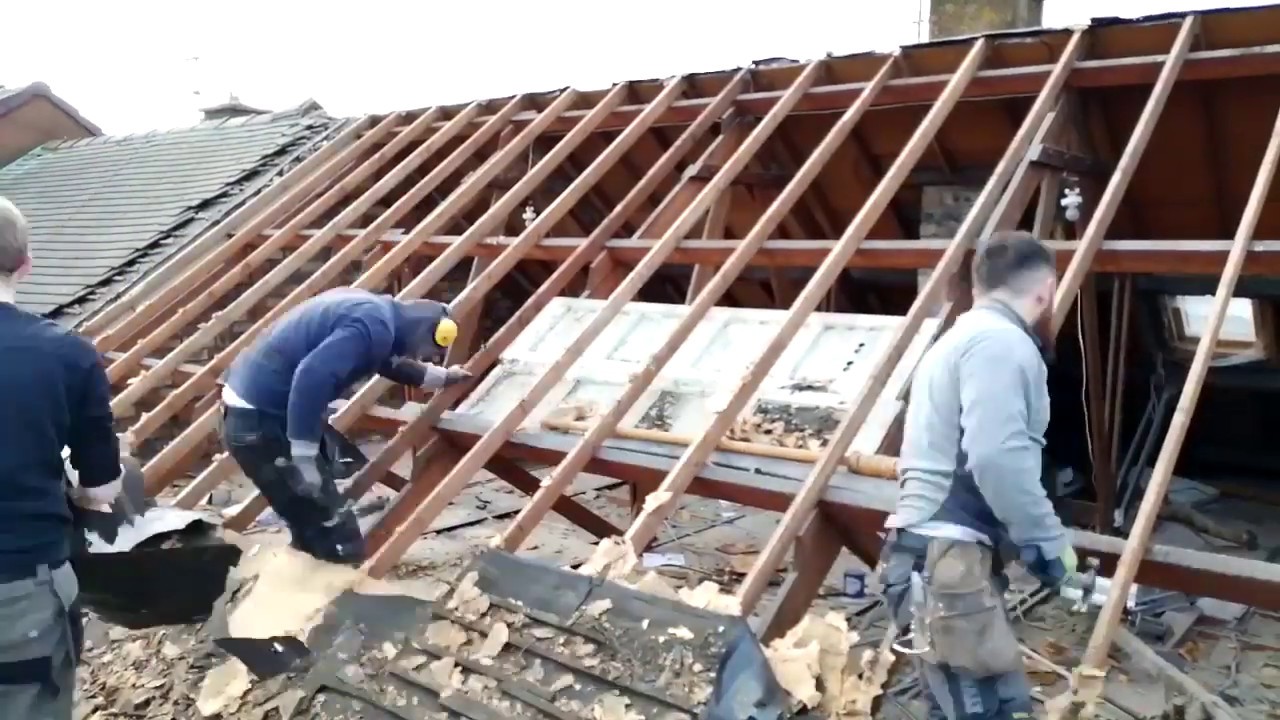
Switching from heavy concrete tiles to lightweight metal roofing reduces structural https://jasperynur735.fairmontdigest.com/posts/from-asbestos-to-metal-planning-a-safer-roof-replacement stress across your timber trusses. While steel is already significantly lighter than tile, aluminium offers the ultimate low-weight profile. This lightweight profile makes aluminium exceptionally fast to handle and install, which can reduce labour overheads on steep-pitch or architecturally complex properties.
Corrosion Resistance: Coastal vs Inland Environments
Aluminium is renowned for its natural immunity to red rust. When scratched or exposed to moisture, aluminium forms a protective oxide layer that shields the underlying metal. This characteristic makes aluminium the undisputed champion in marine environments subject to severe salt spray.
However, Canberra is an inland alpine-fringe environment where salt spray is practically nonexistent. For ACT properties, modern coated steel—treated with advanced aluminium-zinc-magnesium alloy coatings—provides more than enough corrosion resistance to deliver an exceptional lifespan exceeding 30 to 50 years. As a result, the primary advantage of aluminium is rarely a necessity for Canberra homes, unless you are building adjacent to heavily chlorinated indoor pool facilities.
Cost Comparison and Long-Term Value
Evaluating value requires balancing upfront purchase prices against maintenance requirements and property longevity. The price gap between raw materials often makes steel the more economically sensible choice for inland residential builds.
- Upfront Material Costs: Steel is generally 20% to 40% less expensive per square metre than aluminium, making whole-roof replacements substantially more affordable.
- Hail Resistance & Insurance: Steel's superior dent resistance means lower risk of claim disputes and fewer cosmetic replacements after ACT storm seasons.
- Thermal Performance: Both materials reflect radiant heat exceptionally well when specified with modern cool-roof coatings, keeping attic spaces comfortable through sweltering Canberra summers.
- Longevity in the ACT: Quality steel roofing consistently achieves 40+ years of operational life in dry inland climates without requiring corrosion-related remediation.
Which Roofing Material Should You Choose?
Choosing between steel and aluminium comes down to matching your property's engineering needs with your budget. While aluminium remains the premier choice for coastal conditions, steel remains the gold standard across Canberra and surrounding regional areas in 2026.
- Choose Steel If: You want maximum protection against seasonal hailstorms, superior span rigidity, proven bushfire flame-zone compliance, and the best return on investment for an inland property.
- Choose Aluminium If: Your property has extreme structural load limitations, features non-standard architectural curves requiring ductile metal, or exposes the roof to chemical emissions or constant high-moisture pools.
For most Canberra residences, premium coated steel offers the ideal balance of rugged impact strength, straightforward installation, and cost-effective value, making it an enduring investment for local weather conditions.
Canberra Roof Restoration Experts
(02) 6105 9817